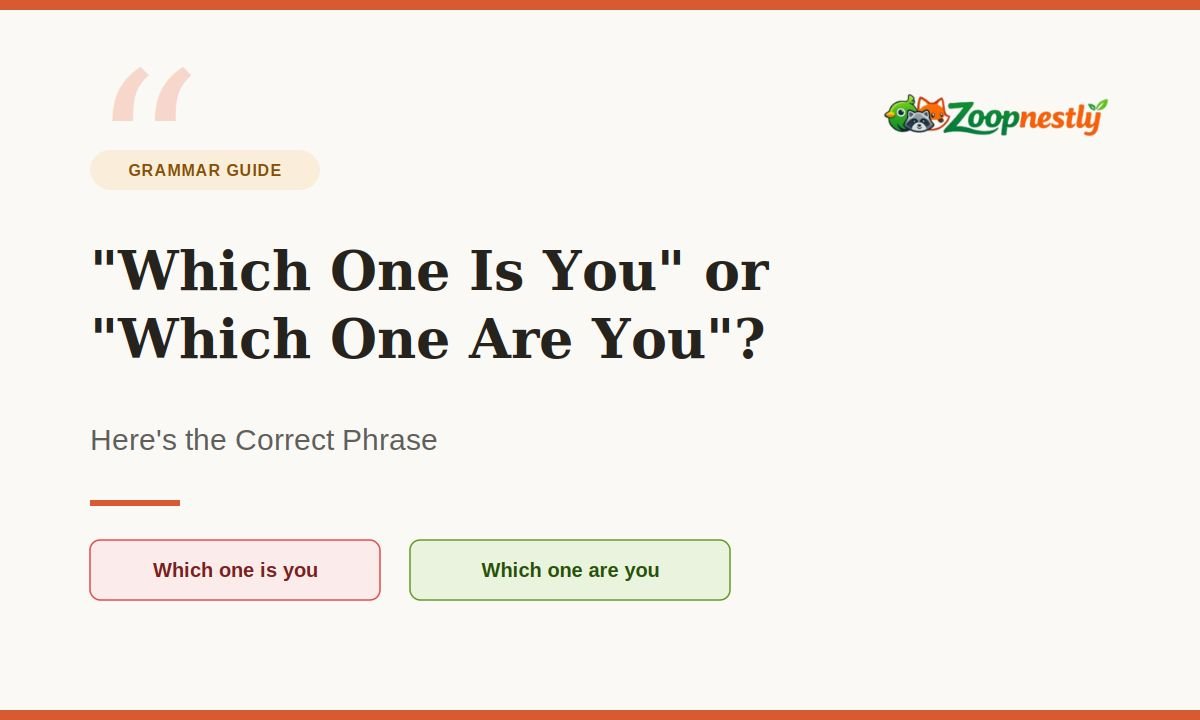
“Which One Is You” or “Which One Are You”? Here’s the Correct Phrase
Ever scrolled through a group photo and typed out a caption, then paused halfway through because the words looked wrong on the screen? You are not alone. The “which one is you” or “which one are you” confusion trips up even confident English speakers, especially in casual texts, comments, and quizzes. Getting it wrong in a work email or public post can make your writing look careless. This guide clears up the confusion for good, with simple rules and real examples you can actually remember.
Quick Answer
“Which one are you?” is the grammatically correct form in standard English. “Which one is you?” is considered nonstandard because it pairs a plural-style verb usage error with the pronoun “you,” which always takes “are,” never “is,” regardless of whether you mean one person or several.
The Short Explanation: Why “Are” Wins Over “Is”
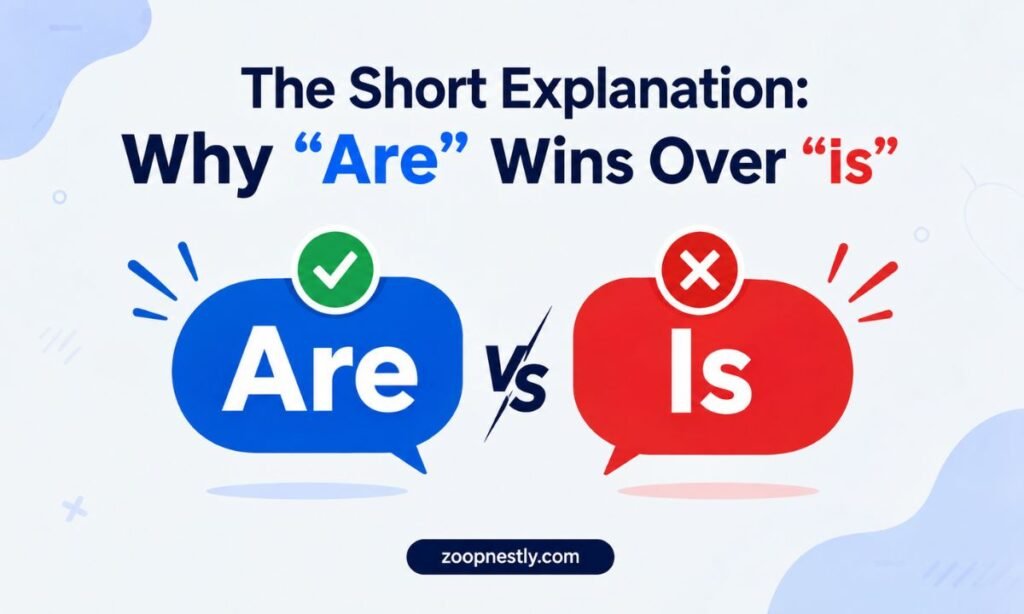
The rule comes down to one simple fact: the pronoun “you” always uses “are.” This holds true whether “you” refers to one person or a group. English does not have separate singular and plural forms of “you” like some other languages do, so the verb stays consistent no matter the context.
Compare it to other pronouns:
- He is, She is, It is
- I am
- You are, We are, They are
Since “you” never pairs with “is,” saying “which one is you” breaks basic subject-verb agreement. “Which one are you” follows the same pattern as “You are tired” or “You are the winner,” both of which sound natural to any fluent speaker.
“Which One Are You” Meaning
“Which one are you?” is a question used to identify a specific person within a group. It asks someone to point out, name, or select themselves from a set of options, whether that’s a lineup of people, a list of names, or a set of pictures.
Think of it as a shorter, more casual version of “Can you tell me who you are in this group?” The phrase works in photos, forms, games, quizzes, and everyday conversation.
Grammar Rule Behind the Confusion
Here’s why so many people second-guess themselves. In casual speech, some regional or informal dialects bend grammar rules, and phrases like “which one is you” pop up in memes, social media captions, or joking conversation. That exposure makes the incorrect version feel familiar, even though it does not match standard grammar.
There’s also confusion with sentences like “Which one is it?” or “Which one is she?” Since “is” pairs correctly with “it,” “she,” or “he,” some speakers assume the same rule applies to “you.” It does not. “You” is the outlier that always takes “are.”
Correct Usage Examples
Here are natural, everyday examples showing “which one are you” used correctly:
- “In this class photo, which one are you?”
- “Which one are you in the family tree, the second or third sibling?”
- “There are three cats in the shelter listing. Which one are you adopting?”
- “Which one are you rooting for in the finals?”
Each sentence uses “you” as the subject being asked to identify or choose, and “are” matches correctly.
Incorrect Usage Examples
These versions should be avoided in formal or professional writing:
- ~~”Which one is you in this picture?”~~
- ~~”Which one is you, the tall guy or the short guy?”~~
- ~~”So which one is you on the team roster?”~~
While you might see or hear these in casual online chatter, they do not hold up under standard grammar rules and can come across as a mistake in resumes, emails, articles, or business communication.
Comparison Table: “Which One Is You” vs “Which One Are You”
| Phrase | Grammatically Correct? | Common Context | Recommended Use |
| Which one are you? | Yes | Formal and informal writing, speech | Always safe to use |
| Which one is you? | No | Casual slang, memes, informal chat | Avoid in writing |
Context Variations: Where This Question Shows Up
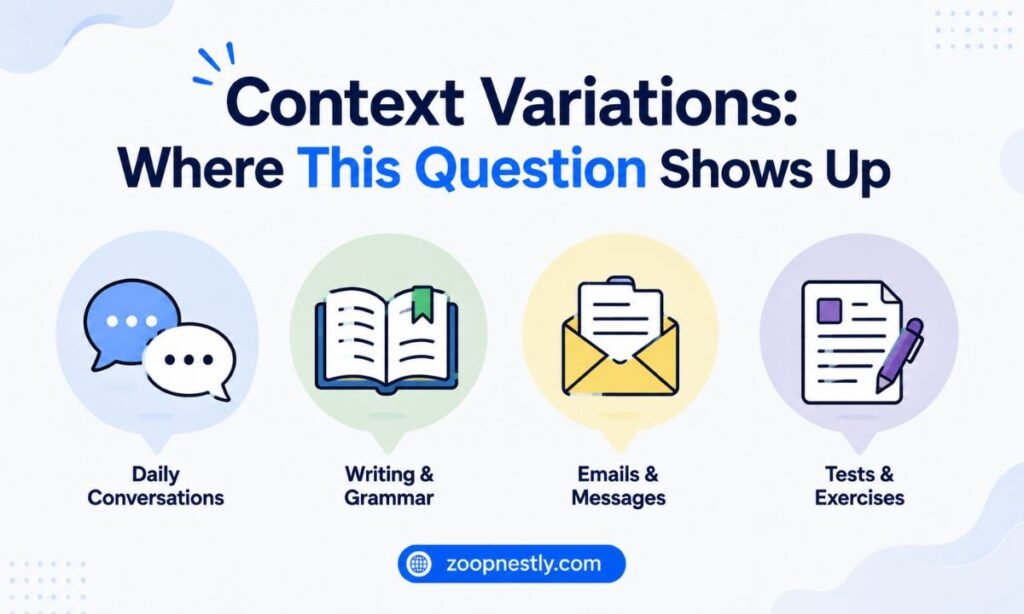
“Which one are you?” adapts naturally to many everyday situations:
In photos: “This is our whole team, which one are you?”
In forms or quizzes: “Which one are you: a morning person or a night owl?”
In storytelling: “Out of these three characters, which one are you most like?”
In group settings: “We’re splitting into two teams, which one are you joining?”
Each version keeps the same grammar rule intact even as the topic changes.
Common Mistakes People Make With This Phrase
Beyond the core “is” versus “are” mix-up, a few related errors show up often:
- Mixing up “which one” with “who.” “Who are you?” asks for identity in general. “Which one are you?” asks someone to point themselves out within a specific set or group.
- Dropping the question mark in written form, which can make the sentence read like a statement instead of a question.
- Using “is” out of habit when quickly typing, especially on mobile, where autocorrect does not always catch grammar errors.
- Confusing it with “which one am I,” used when the speaker is asking about their own identity within a group, not someone else’s.
Being aware of these small slip-ups helps you sound more polished in both writing and speech.
Why “Which One Is You” Still Shows Up So Often
If “which one are you” is correct, why does the other version keep appearing online? A few reasons explain it:
- Casual speech patterns. Some dialects and informal speaking styles simplify verb agreement, especially in fast, relaxed conversation.
- Meme culture. Phrases that break grammar rules sometimes spread because they sound catchy, blunt, or intentionally informal, and repetition makes them feel normal.
- Non-native speaker patterns. Learners sometimes apply the “is” rule they use for “he,” “she,” or “it” to “you” as well, since English pronoun rules can be inconsistent for new learners.
None of these reasons make “which one is you” correct in standard writing, but they explain why it keeps circulating.
DISCOVER MORE : Of Course vs Ofcourse — Which One Is Actually Correct?
How to Remember the Correct Version Every Time
A simple trick: replace “you” with “we” or “they” in your head. You would never say “which one is we” or “which one is they,” so “which one is you” should sound just as off. Since “you” behaves like “we” and “they” grammatically, always defaulting to “are” keeps you consistent.
Another quick check: say the full sentence “You are” before asking the question. If “you are the one in the photo” sounds correct, then “which one are you” will always be correct too.
When Informal Use Might Be Acceptable

Language is flexible, and everyday speech does not always follow textbook grammar. In very casual texting between friends, some people use “which one is you” playfully, similar to intentional grammar bending like “I be tired” in certain dialects. This kind of use is stylistic, not standard, and should stay limited to relaxed, informal settings. For anything public, professional, academic, or intended for a broad audience, “which one are you” is the reliable choice.
Related Phrases Worth Knowing
A few nearby phrases follow the same “you + are” pattern and are worth learning together:
- “Which one are you talking about?”
- “Which ones are yours?”
- “What one are you choosing?”
Recognizing this pattern across similar questions makes the grammar rule easier to apply automatically, without needing to double check every time.
Frequently Asked Questions
Is “which one is you” ever grammatically correct?
No. Standard English grammar requires “you” to pair with “are” in every context, whether referring to one person or several. “Which one is you” is considered a grammar mistake in formal and professional writing.
What is the difference between “which one are you” and “who are you”?
“Who are you” asks for a person’s identity in a general sense. “Which one are you” asks someone to identify themselves from a specific, visible group or list, like a photo or lineup.
Can I use “which one is you” in casual texting?
You can, since informal texting often bends grammar rules for style or humor. However, it’s best avoided in emails, essays, resumes, or any writing meant to look polished and professional.
Why do people confuse “is” and “are” with “you”?
The confusion usually comes from applying the “is” rule used with “he,” “she,” or “it” to “you” as well, or from repeated exposure to casual, grammar-bending phrases online.
Does “which one are you” change with singular or plural groups?
No. The verb stays “are” regardless of whether “you” refers to one person picked from a group or multiple people being addressed together.
Final Takeaway
When deciding between “which one is you” or “which one are you,” the second option is always the grammatically sound choice. “You” pairs with “are” in every situation, formal or casual, singular or implied plural. Keep that one rule in mind, and you’ll never second-guess this phrase again.

James Walker is a content writer and language researcher with over 5 years of experience in meanings, definitions, and language-related topics. He enjoys simplifying complex terms into clear, easy-to-understand explanations. Through ZoopNestly.com, he helps readers find accurate and reliable information.